What is engineered wood siding?
If you’re looking at engineered wood siding in Fort Collins, you’re probably wondering what it actually is. Here’s the short version. It starts as wood strands coated with a resin binder, then gets pressed into boards and panels with a primed or factory-finished surface.
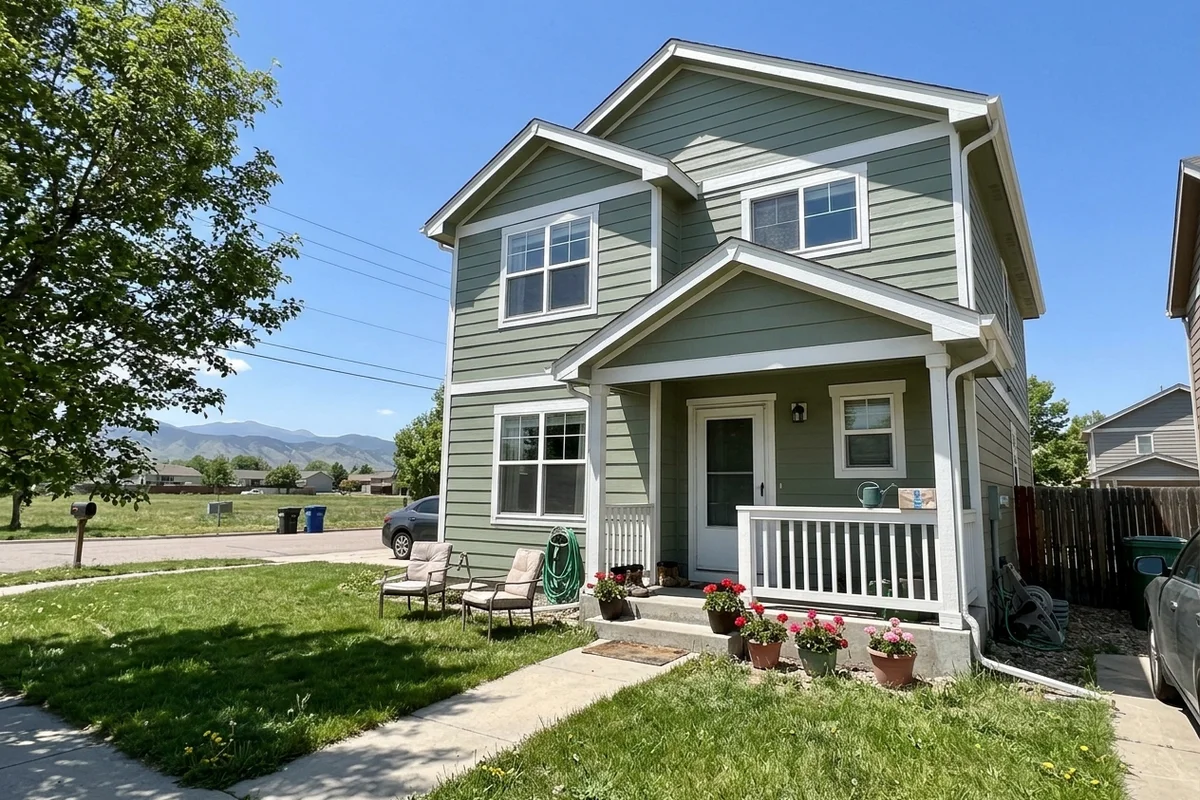
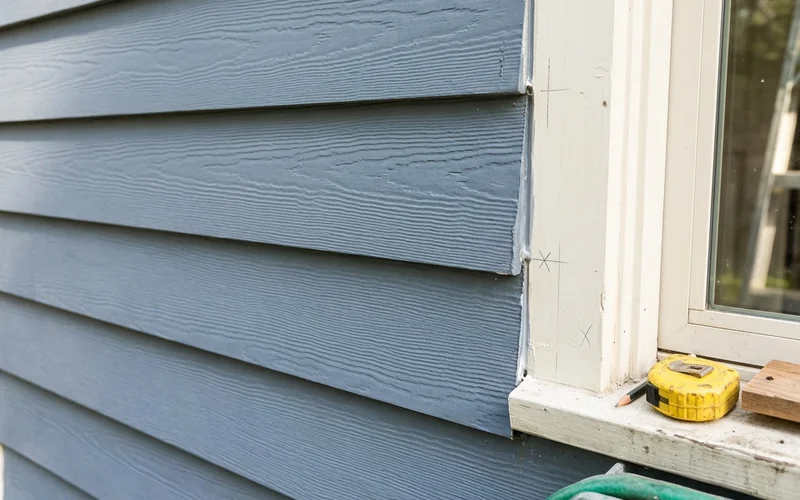
The face is pressed with a wood-grain texture. Once it’s painted, it reads as a painted wood lap wall from the street.
Many people know it by one maker’s name, LP SmartSide. Older houses may have hardboard siding, an earlier wood-fiber board. Engineered wood is the newer, strand-based version of that idea.
It’s a common pick when hardboard has worn out and you want to keep the same look. It also handles our weather well. In LP’s own testing, the siding showed no signs of impact after being hit with 1.75-inch hail at 81 miles per hour, and that matters along the Front Range.
Lap and panel profiles
Lap siding
Engineered wood lap siding comes in long boards with a wood-grain face. Long boards mean fewer butt joints on a wall.
Fewer joints means fewer places for water to find its way in. That’s a real plus on a long, plain wall.
Panel siding
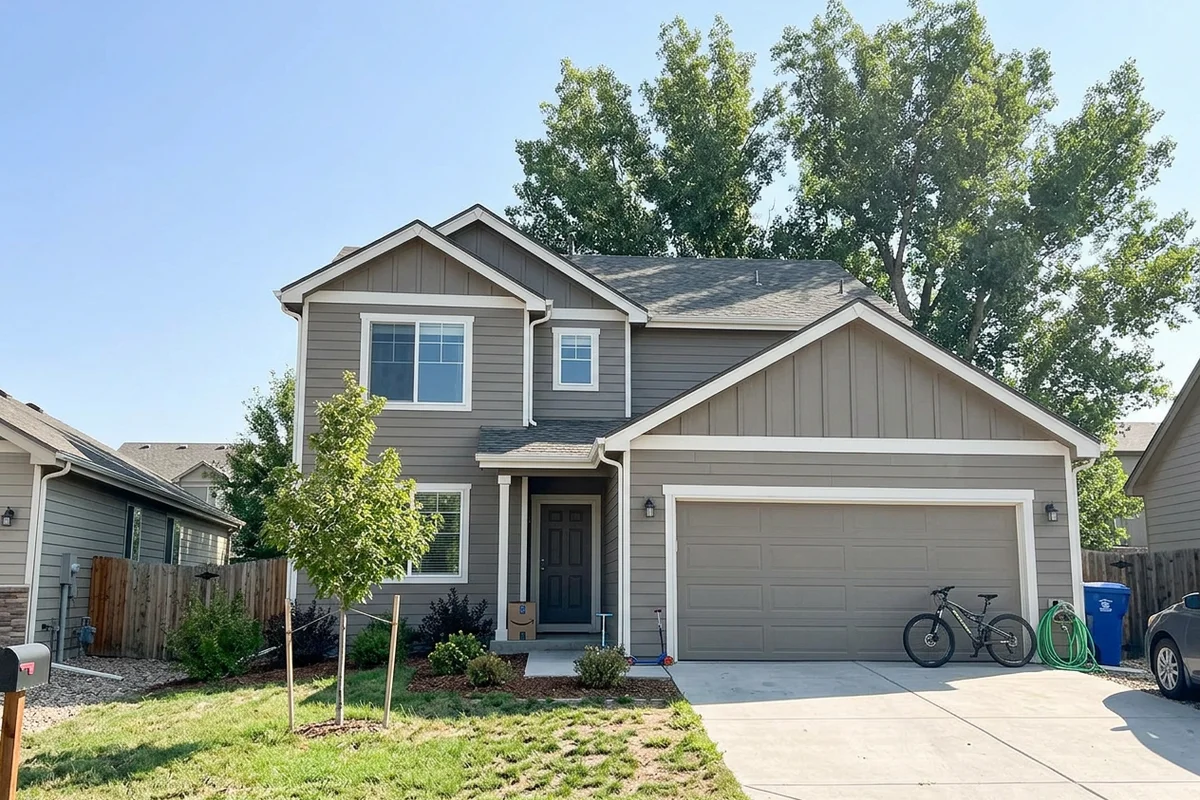
Panels come in large sheets, often with vertical grooves. They work well on garages, gables and bump-outs.
You can pair them with battens for a board-and-batten look. It’s a quick way to add some character to a wall without changing the whole house.
What engineered wood needs to do well
Engineered wood is still a wood product. It does well when water can’t sit on it or soak into its edges. These are the details we watch on every install:
- Cut edge sealing. Every cut end and notch gets sealed or primed before the board goes up, not just the ends you can see. Missing paint on a cut edge is one of the most common install mistakes, and it’s the easiest to prevent.
- Ground clearance. LP’s installation instructions call for at least 6 inches between the siding and the finished grade. Splash-back, mulch and snow stay off the bottom edge that way.
- Roof clearance. Where a roof meets a wall, the siding stops at least 1 inch short of the shingles. Kickout flashing then sends water into the gutter instead of down the wall.
- Paint kept up. LP says a primed board needs its finish coat as soon as possible, and within 180 days of install. After that, we refresh the paint when it starts to wear.
A good install also pays off on paper. LP backs its siding with a transferable 50-year limited warranty (prorated, with a 5-year labor and material feature), and that coverage depends on the details above being done right.
How engineered wood compares in weight and handling
Engineered wood is lighter than fiber cement and cuts more like lumber. It also doesn’t kick up the fine dust that fiber cement does when it’s cut. Compared with natural wood, you get longer, straighter boards with a consistent face.
Here’s the quick version:
- Versus fiber cement: lighter, easier to handle, less cutting dust.
- Versus natural wood: straighter boards, a uniform face, and a factory-primed surface.
If you like the look of real wood grain and boards you can stain, see our wood and cedar siding page. If you’re weighing it against a cement board, our fiber cement siding page covers that material.
Where engineered wood fits
Most of the engineered wood we install goes on during a full siding replacement. The old siding comes off, and we check and wrap the wall first.
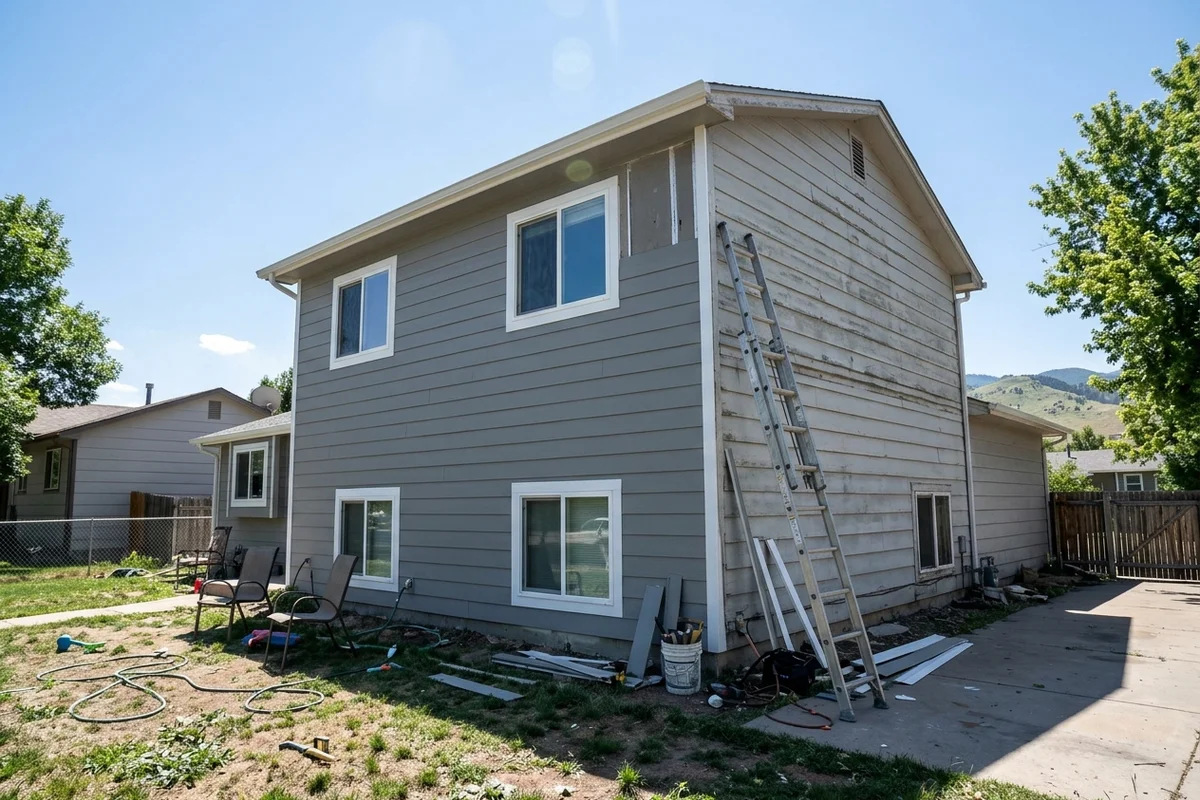
It’s also a good way to replace worn hardboard siding with a board that has a similar look. You keep the character of your home and get a sturdier surface.
If you’re thinking about engineered wood siding in Fort Collins, we’d be glad to take a look at your walls. Reach out and we’ll talk through what fits your home and your budget.